Model Communities Lab · Industrial Microbiology · TU Delft
How does the architecture of living systems shape their ecology and evolution?
We build models that predictively link the architecture of complex living systems to their emergent function. For example, we ask how metabolic networks shape an organism’s phenotype, its evolution and its ecology, or how microbial interaction networks shape ecosystem function. We combine theory and computation with experiments in simple model communities. Increasingly, we take these models to real-world microbiomes in agriculture, bioremediation and industrial fermentation.

Research program
Some questions we are trying to answer
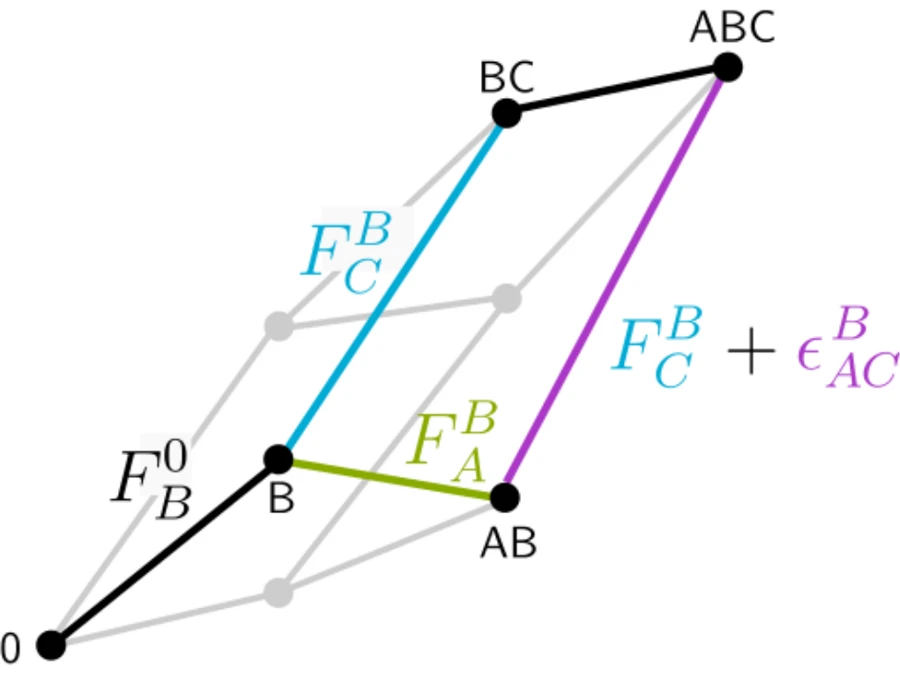
- 01Is evolution of metabolism predictable?How the metabolic context of mutations makes their effects combine in simple, predictable ways.
- 02Can the chemistry of an environment tell us which community will assemble?Predicting community composition from the metabolic environment — and how it responds when we perturb it.
- 03Can we engineer what a community does without mapping every interaction?Borrowing global epistasis from fitness landscapes to predict and design community function.
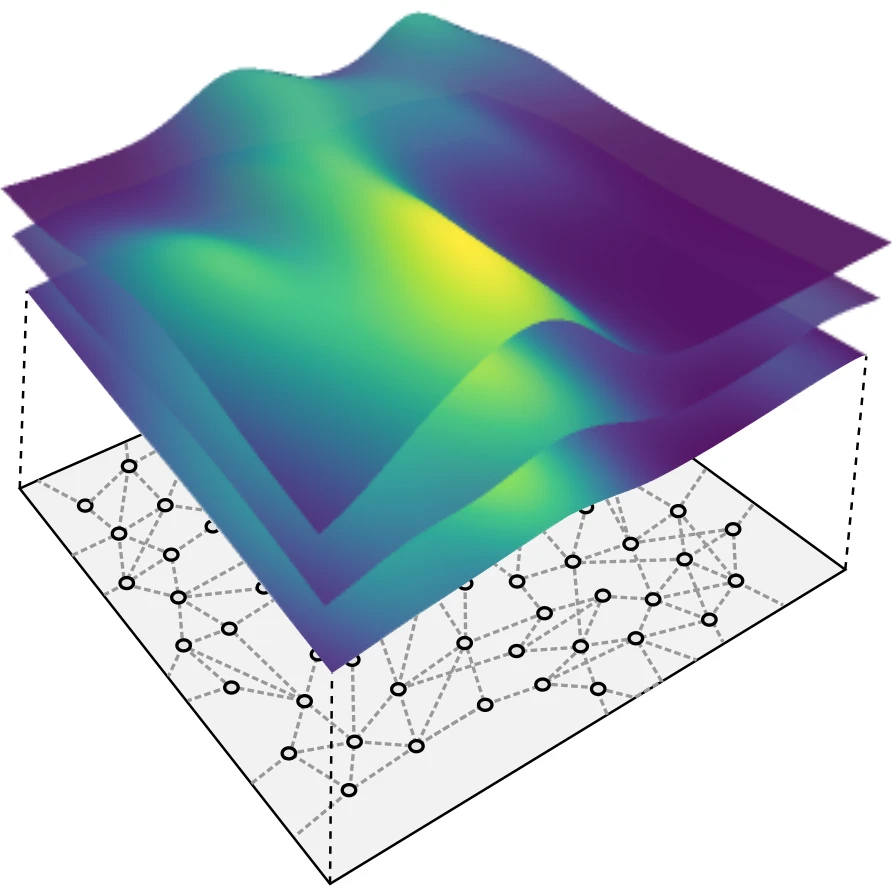
- 04Can digital twins of microbial communities help us understand and engineer them?Genome-scale, multi-species metabolic models that simulate communities in time and space.
Theory
Fitness landscapes, global epistasis and consumer–resource models: coarse-grained descriptions with predictive power across scales.
Models
We use empirically calibrated models, from mechanistic genome-scale models of single species to functional landscapes of complex communities.
Experiments
We conduct high-throughput assembly of synthetic model communities, and quantitatively dissect their physiology in bioreactors.
Selected work
Recent findings
All publications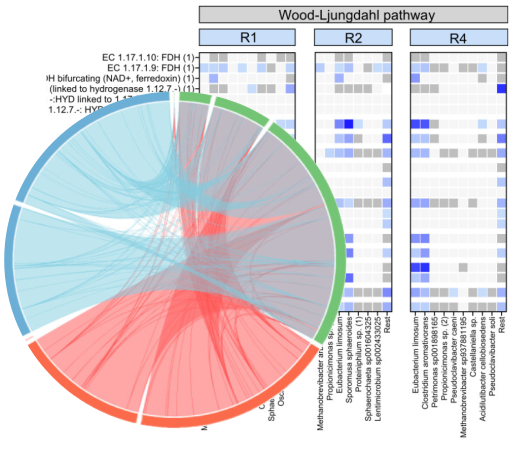
mSystems · 2026
Integrated multi-omics and metabolic modeling links structure to function in high-performing electrosynthetic biofilm communities
Multi-omics and community metabolic models link composition to function in biofilms that convert CO₂ and electricity into acetate, butyrate and caproate.
bioRxiv · 2026
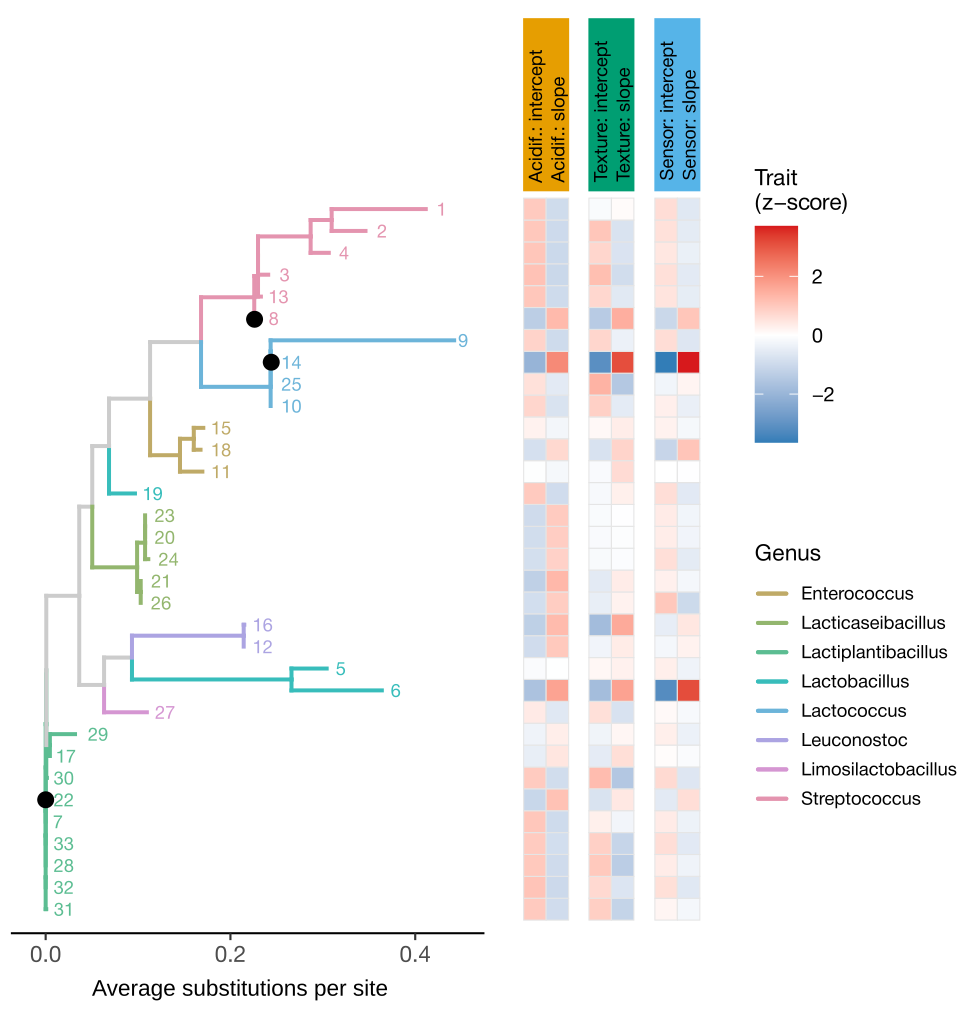
Conserved emergent traits enable phylogenetic prediction of community function
We found that the effects of strains on the function of multispecies communities are phylogenetically conserved, allowing us to predict communities of strains that were never tested.
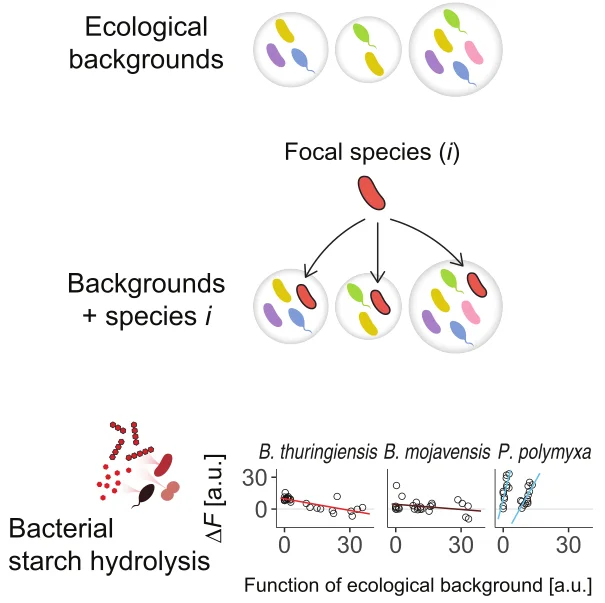
Cell · 2024
Global epistasis and the emergence of function in microbial consortia
We found that global epistasis — an emergent phenomenon in fitness landscapes — can be applied to predict the function of microbial communities.
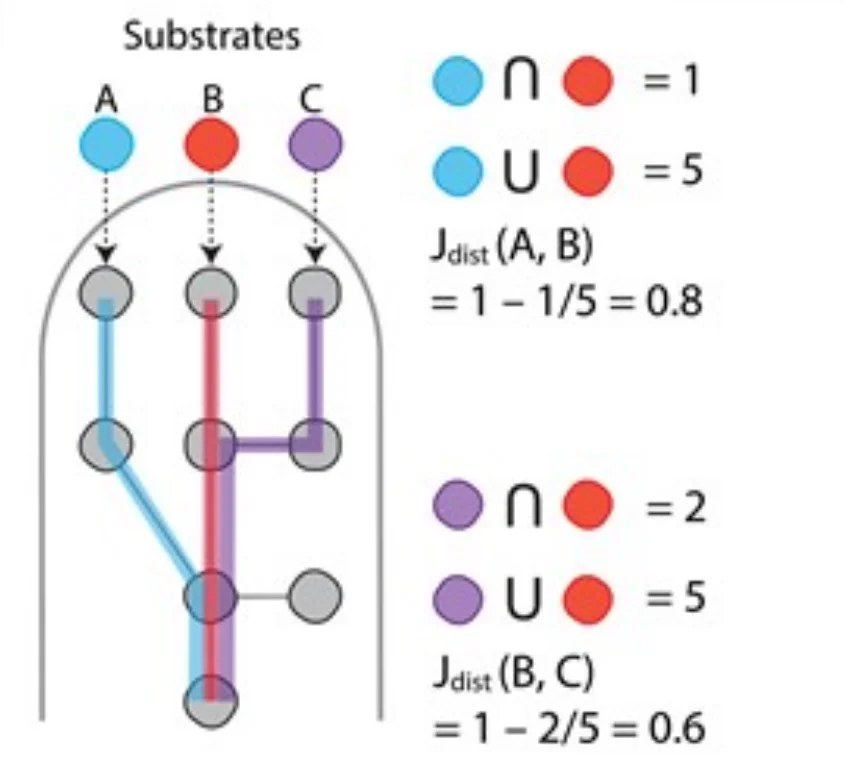
Mol. Biol. Evol. · 2023
The architecture of metabolic networks constrains the evolution of microbial resource hierarchies
We explored the evolvability of microbial resource use hierarchies using metabolic modeling.
Supported by


Industry partners
We help develop microbial solutions across industries



Curious about how metabolism shapes ecology and evolution?
We welcome PhD, postdoc and MSc/BSc candidates with backgrounds in biology, physics, engineering, computer science, or similar.
Working with us